Social media for athletes - your brand in your own hands
11 April 2026
For an athlete, social media is not a hobby. It is a brand, a direct line to fans, and increasingly the first thing a sponsor or a club looks at before they ever call. Used well, it multiplies your value and tells your story in your own words. Used badly, it can undo years of work in a single post. The players who understand this early treat their account like part of the job, because it is.
Why parents need to talk to their kids about it
Young players grow up online, posting without a second thought - and one careless clip can follow them for a decade. This is a conversation for families to have early and calmly, before there is a problem, not after. Treat it like any other part of a professional career: something you prepare for, not something you clean up afterwards. The goal is not to police a teenager’s phone. It is to help them understand that everything they post is now part of a public record that clubs, sponsors and journalists can read.
How it can damage a reputation - and cost real money
The clearest example is also one of the harshest. Kurt Zouma lost his Adidas sponsorship within days after a video of him abusing his cat went viral - a brutal reminder that in a filmed world, private behaviour becomes public instantly, and sponsors leave just as fast. One clip can cost more than a bad season ever could, and no highlight reel buys that reputation back cheaply.
Years of work, one post. In a filmed world, your reputation is only as safe as your worst moment online.
What to post - and what not to
Do not lead with the expensive cars, the watches, the wads of cash. It feels harmless, but it works against you in three ways: it quietly alienates the everyday fans and communities that actually power your value, it flags you as a target for the wrong kind of attention, and it tells brands you are about yourself rather than the game or the people who follow it. The players who build real, loyal followings show the work, the setbacks, the personality and the human being behind the shirt - not the price tags.
Build an identity that matches who you actually are
Authenticity is the whole game. Your online identity should match the real you, because anything forced or fake is obvious and fragile. Marcus Rashford turned his platform into a national campaign against child food poverty that earned him an MBE and made him one of the most respected figures in British sport - precisely because it was genuinely him. That is brand-building at its very best: real, consistent, and bigger than football.
Social media is how brands find you
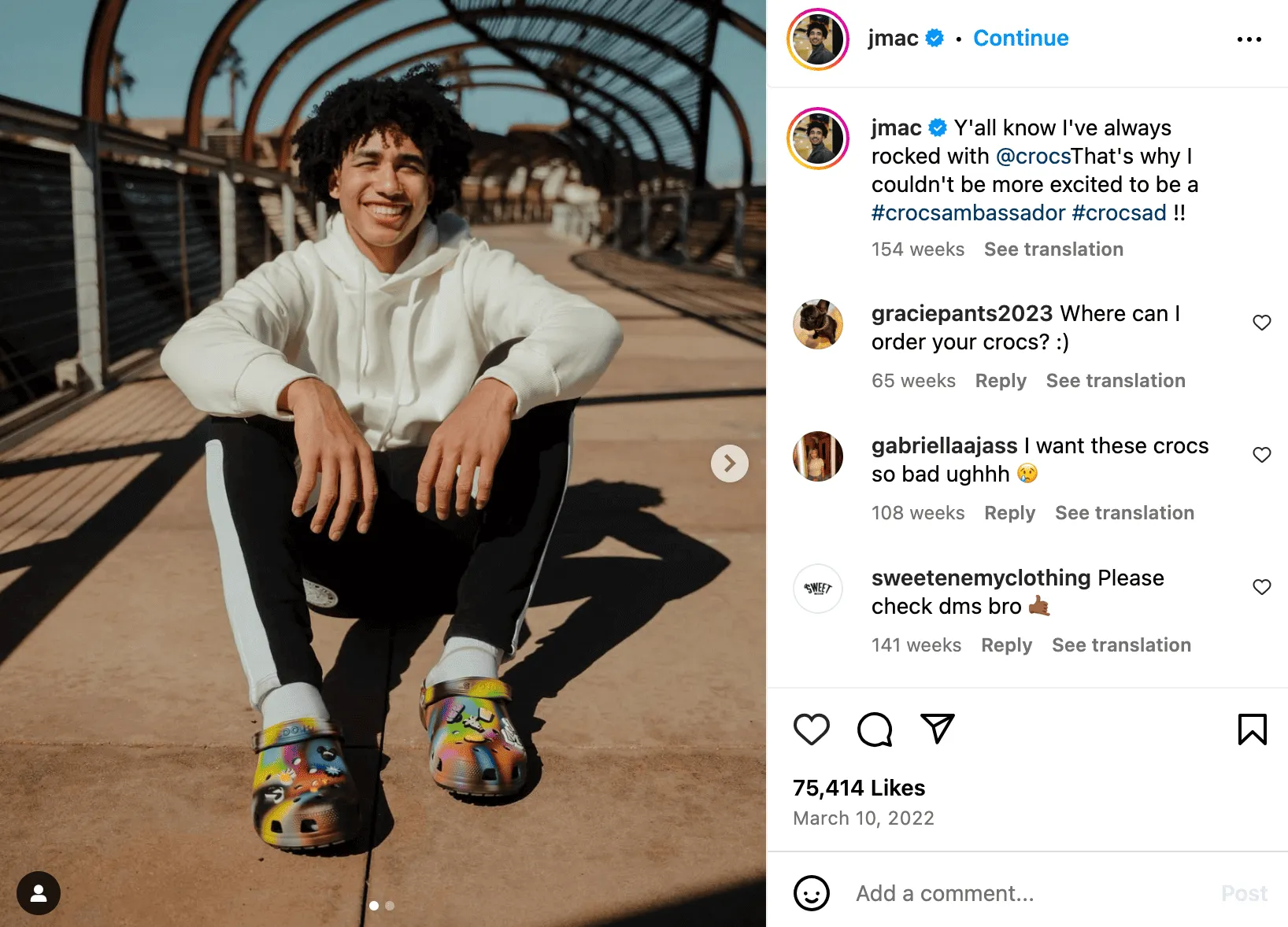
Brands do not only sign the best players. They sign the ones with reach and personality. Cristiano Ronaldo is the most-followed person on the planet, and that audience alone is worth tens of millions a year in commercial value. You do not need his following. But you do need to understand that an engaged, authentic account is a commercial asset in itself - not a distraction from the sport, but part of the career the sport makes possible.
Brands don’t sign the quiet and the careful. They sign the real and the different.
Boring does not sell
And here is the uncomfortable truth: safe, boring athletes are not attractive to brands. Brands want ambassadors with an edge, a point of view, something that sets them apart from every other talented player. The goal is never to be controversial for its own sake - it is to be genuinely, unmistakably yourself, out loud. Personality, used with intent, is worth more than another highlight reel. And it is not only football: the most marketable athletes on social media come from tennis, skiing, athletics and every other sport.
The bottom line
Social media is not a threat and it is not a toy - it is a tool, and like any tool it rewards the people who use it with intent. Talk to your kids about it early. Post like your next club and your next sponsor are watching, because they are. Show the work and the person, not the price tags. Build something that genuinely looks like you - because that is the version fans, brands and clubs actually want to back.
Post like your next club and your next sponsor are watching. They are.