Changing clubs - and why it matters
10 April 2026

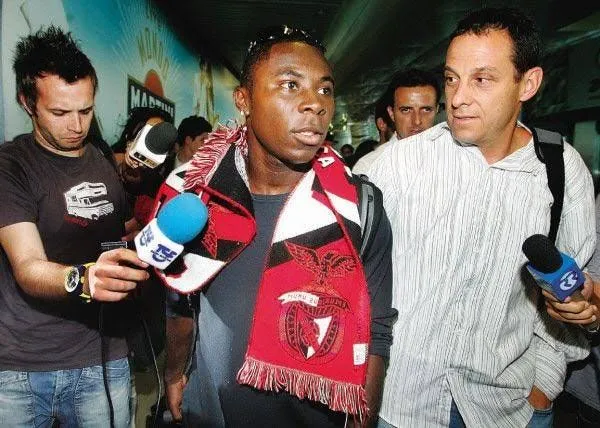
Every player dreams of the next move. But a transfer is not a reward - it is a decision, and the wrong one can stall a career that was going somewhere. Over the years I have seen talented players move for the wrong reasons: more money, a bigger name, a louder league - and regret it within a season.
Changing clubs should never be about escaping where you are. It should be about moving toward where you want to be. Before any move, these are the questions I make every player sit with - honestly - because the answers decide whether the move builds the career or breaks its momentum.
The best move is not the one that looks biggest. It is the one that makes you better.
It is about the environment, not the change
Changing clubs is not about trying something new for the sake of it. It is about moving into the right environment for you, at this exact point in your development. A new badge on your shirt changes nothing on its own - what changes you is the daily environment: who you train with, who coaches you, how much you play and what is expected of you every week. The best move is rarely the biggest club that wants you; it is the club where you will be pushed, trusted and given real minutes. Ask yourself what environment made you improve in the past, and whether the new one has more of that or less. If a move only looks good on paper, it usually only works on paper.
The philosophy has to match what you were promised
Every club sells a version of itself in the first meeting. The job is to find out whether the philosophy on the training pitch matches the words in the room. Does the way they actually play suit your strengths, or will you spend a year adapting to a system that hides them? Is the promise of playing time backed by the squad in front of you, or only by a sentence in a conversation? Promises are easy to make and easy to forget once the contract is signed. I look at what a club does, not only what it says - and I make sure the two line up before anyone commits to anything.
Is the structure there for you to develop
Talent needs a structure around it to grow - coaching, sports science, medical support, analysis, and a clear pathway from the bench to the pitch. Some clubs have it, some only look like they do. Before a move, we map whether the club is actually built to develop a player like you, or whether you would be left to figure it out alone. A good structure catches you when things go wrong - an injury, a dip in form, a hard patch - instead of moving on to the next name. The right structure is almost invisible when it works, and painfully obvious the moment it is missing.
Do they actually develop talent - and can they prove it
Every club says it develops young players. Far fewer can show you the names. Look at the last five years: who came through, who broke into the first team, who was sold on for real value, and who quietly disappeared. A club with a genuine track record of development is a very different bet than one that only talks about it. Proof beats promises, every time. If the pathway is real, there will be players who walked it recently - and if there are none, that silence is your answer. We do the homework so the decision is based on facts, not on a good sales pitch.
Ask what a club has done, not what it promises. Proof outlasts a good meeting.
Do they trust their own talent, or always buy it in
This is one of the most overlooked questions, and one of the most important. Some clubs develop players and play them. Others develop players and then sign someone over the top of them every single summer. Look at how the club treats its own academy and its own signings - do young players get real chances in big moments, or only when the result is already decided? If a club consistently buys in front of the talent it develops, you have to be honest about where you would sit in that queue. You want a club that bets on the players it brings in - not one that uses them as insurance and forgets them.
Can you rely on the coaching staff - or does it keep changing
A coach who believes in you can define a chapter of your career. But coaches move, and a club that changes its manager and staff every season is a club where no relationship has time to matter. Before a move, we look hard at the stability of the people who would actually work with you day to day - the head coach, the assistants, the development staff. Is the person who wants you likely to still be there in a year? If the whole project depends on one coach who could be gone by winter, that is a real risk, and you go in with your eyes open. Stability around you is often worth more than one enthusiastic meeting.
Are you ready for a new culture
A move is rarely just a move - it can mean a new country, a new language, a new setup and a completely new way of doing things. Some players thrive on that; others lose themselves in it. Part of the honest conversation is whether you are ready for the culture you are walking into, and whether the club has the skillset and the patience to help you settle in. A brilliant sporting fit can still fail if everything off the pitch feels foreign and unsupported. We look at the whole picture - not just the football, but the life around it - because a player who is settled off the pitch is the one who performs on it.
Are you ready yourself
The hardest question is the one about you. Do you know what you want from the move, and how you will keep developing once you are there? A move looks exciting from the outside, but it often means leaving the friends, family and routines that made you feel settled - and a club you may still have a genuinely good relationship with. Changing clubs is not easy, and it should never be taken lightly. Being ready is not only about your football; it is about knowing you can handle new surroundings and keep improving when the comfort is gone. If the honest answer is “not yet”, that is not a failure - it is useful information, and sometimes staying and growing is the braver move.
Sometimes the bravest move is the one you choose not to make.
The bottom line
A move is only ever as good as the environment you move into. The right club, at the right time, for the right reasons can lift a career to a level it would never have reached standing still. The wrong one - chosen for money, noise or impatience - can cost you the momentum you spent years building. My job is not to chase the biggest name or the fastest deal. It is to help you ask these questions honestly, see past the promises, and make a move that still looks right in three years, not just on signing day. Change clubs when it moves you forward - never just to move.